
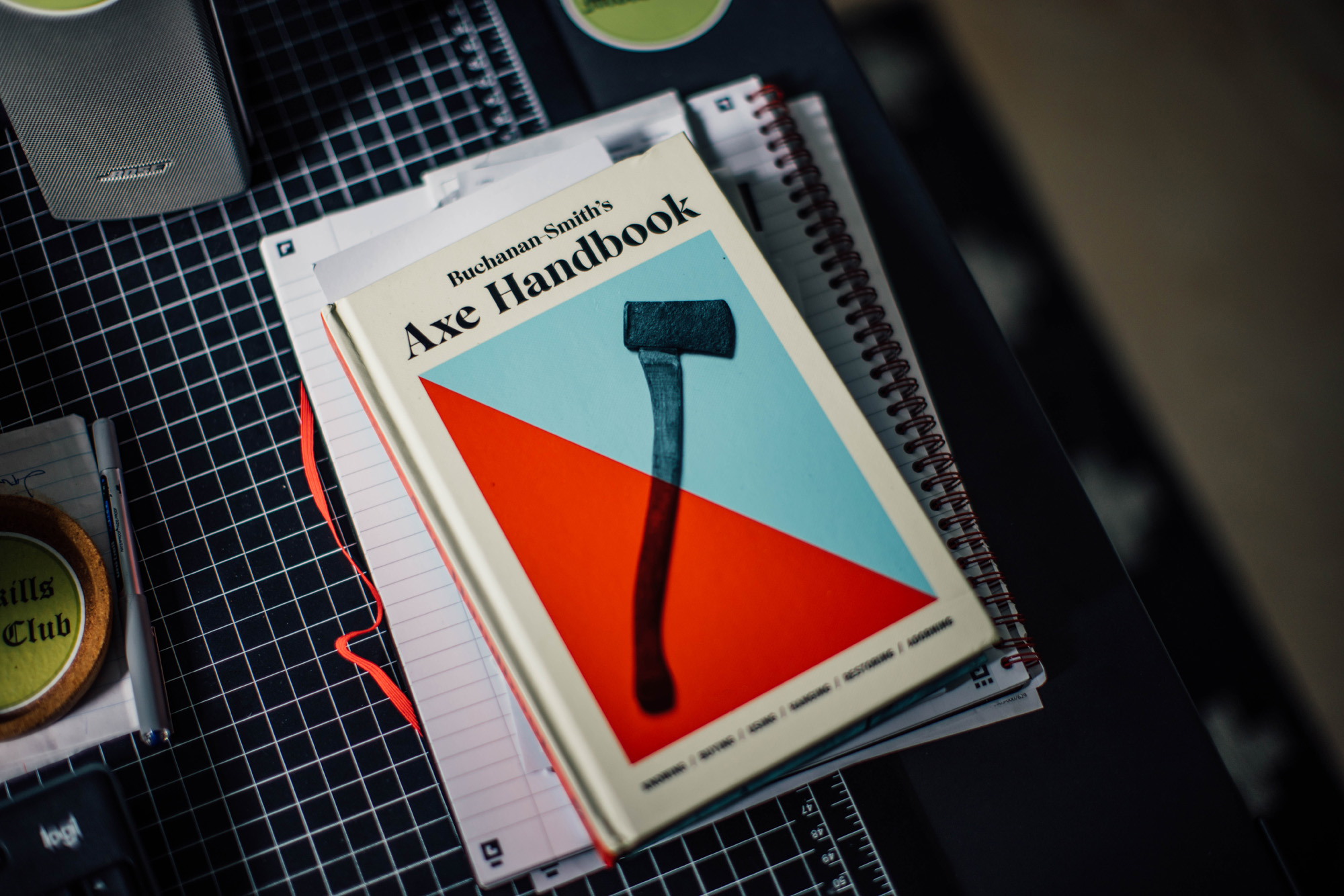
Since I enjoyed the Norwegian Wood book so much, Britt got me a copy of the above text: Axe Handbook by a guy who currently resides in Andes, NY, a town not far from us in the Catskills. By the author’s own admission, the book is subjective. This was a helpful note that was divulged upfront, and I appreciated it. I’ll give the book high marks from a visual design perspective. The author is the founder of Best Made, the ‘luxury’ axe company. I really enjoyed many parts of the book. Other sections felt like a no-so-humble brag. The chapter on wood density, etc.. felt like it was a cliff notes version of the same chapter in the Norwegian Wood book. There were also multiple instances that were just ham-fisted advertisements for Best Made, which the author recently reacquired.
I learned some nice sharpening techniques from the book, as well as the terminology for the different parts of the axe (which is technically just the name of the metal part that is mounted to the top of the helve), and where to look on the axe for indicators on how/where it was made. But what stuck with me the most about this book is that the author stated he prefers to use a felling axe to split firewood. Reasonable people can disagree over such things. I prefer to use an 8lb Maul. A felling axe with a helve (a term that I learned in this book is the name of an axe handle) with a fawn’s foot painted in bright colors is definitely a really nice looking tool. But when it comes to splitting the type of wood that we get on our property (primarily Maple and Iron Wood), you would be absolutely smoked after 5 or 6 logs trying to use a felling axe. Even with the 8 pounder, it sometimes takes multiple blows to get larger rounds split all the way through.
My 8lb Collins maul is one that I bought at the hardware store down the highway from us in the Catskills. But the book inspired me to give it a close inspection when I was splitting the most recent batch of firewood. Until then I had never noticed certain details about the axe. For example, I learned that it was forged in Mexico. Here are a couple of snaps of my workhorse–
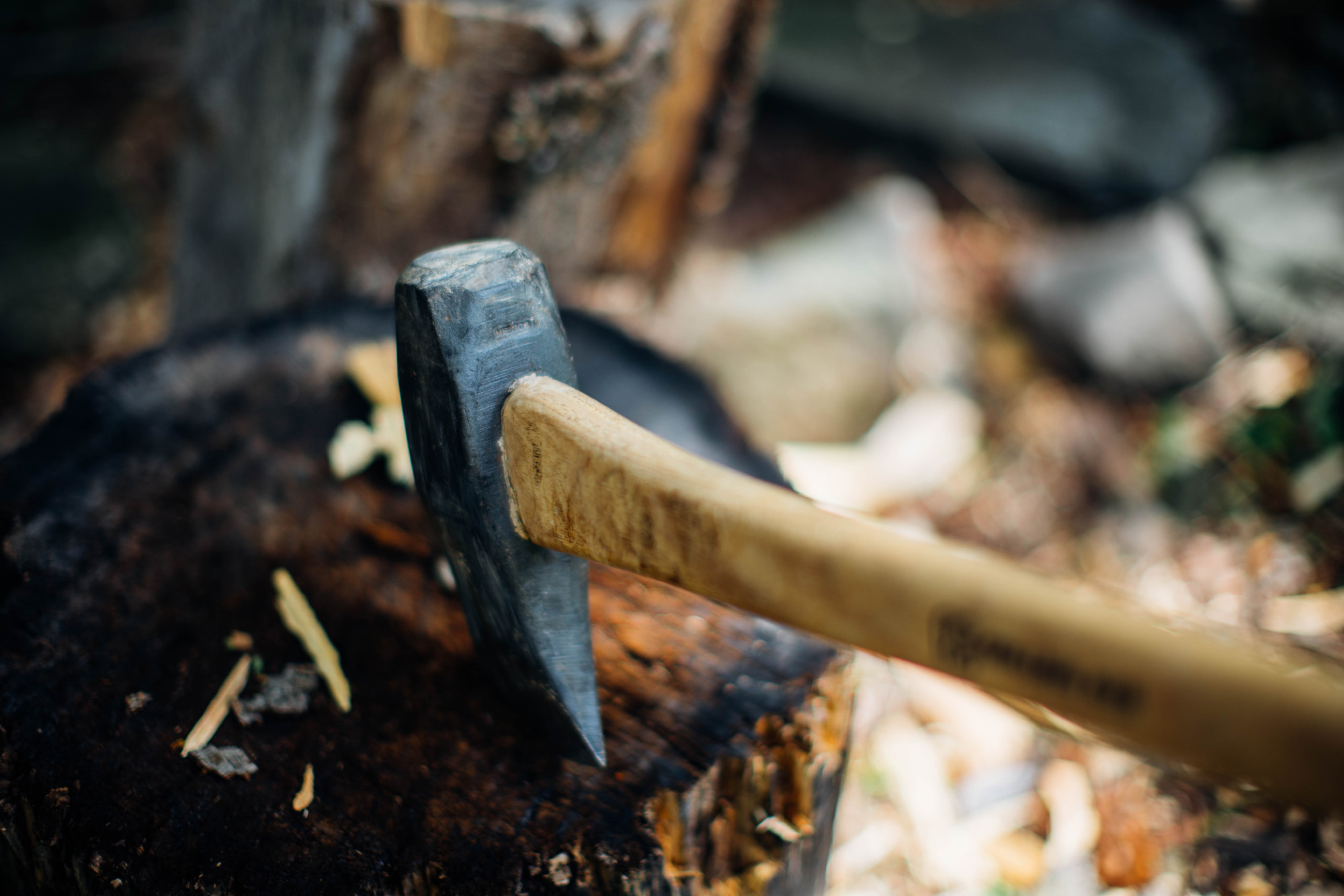
“Mexico” Stamp on the Underside of the Poll (a fancy name for the back of the axe head)
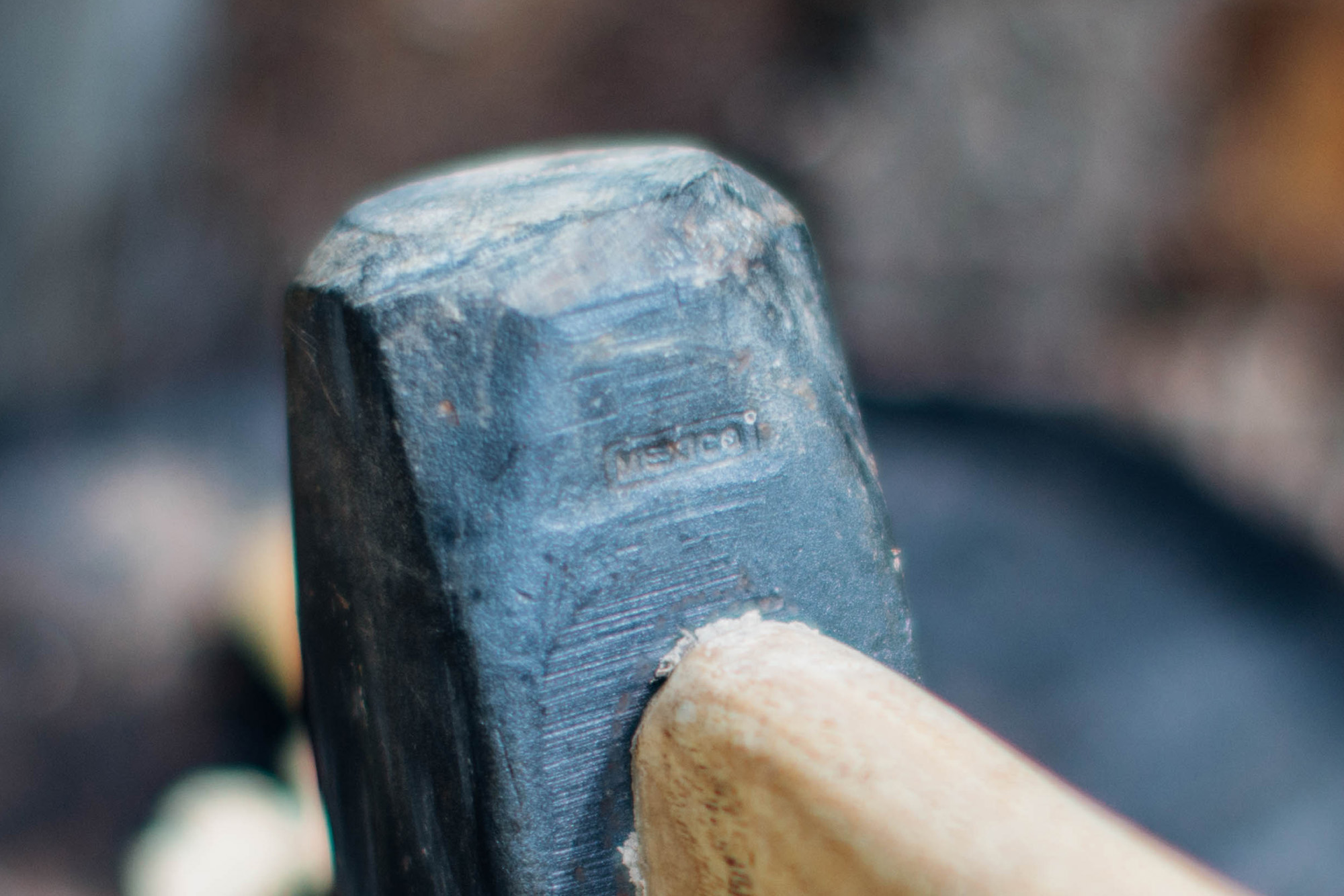
Detail of Stamp
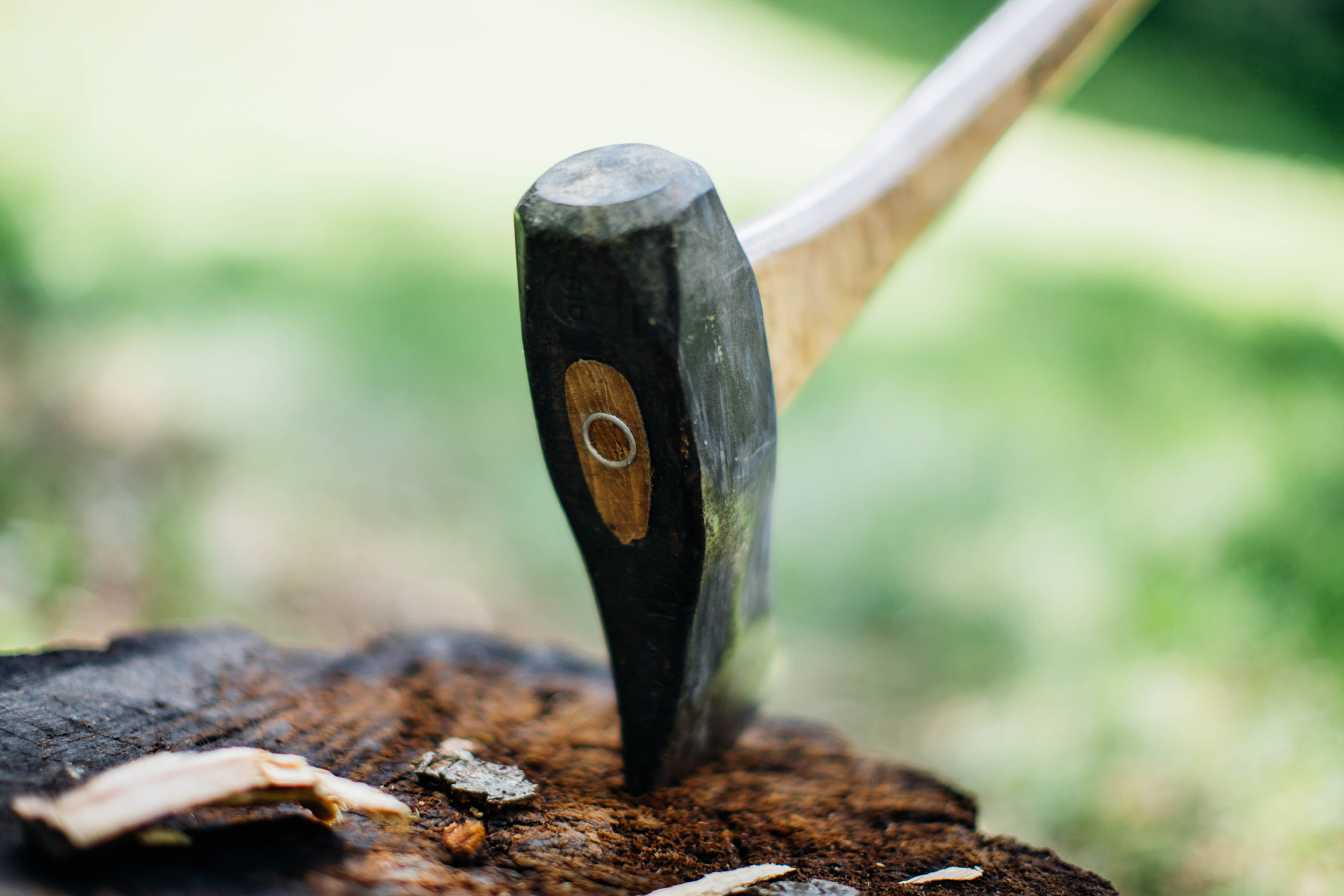
“8 lb” Stamp on the Top of the Poll
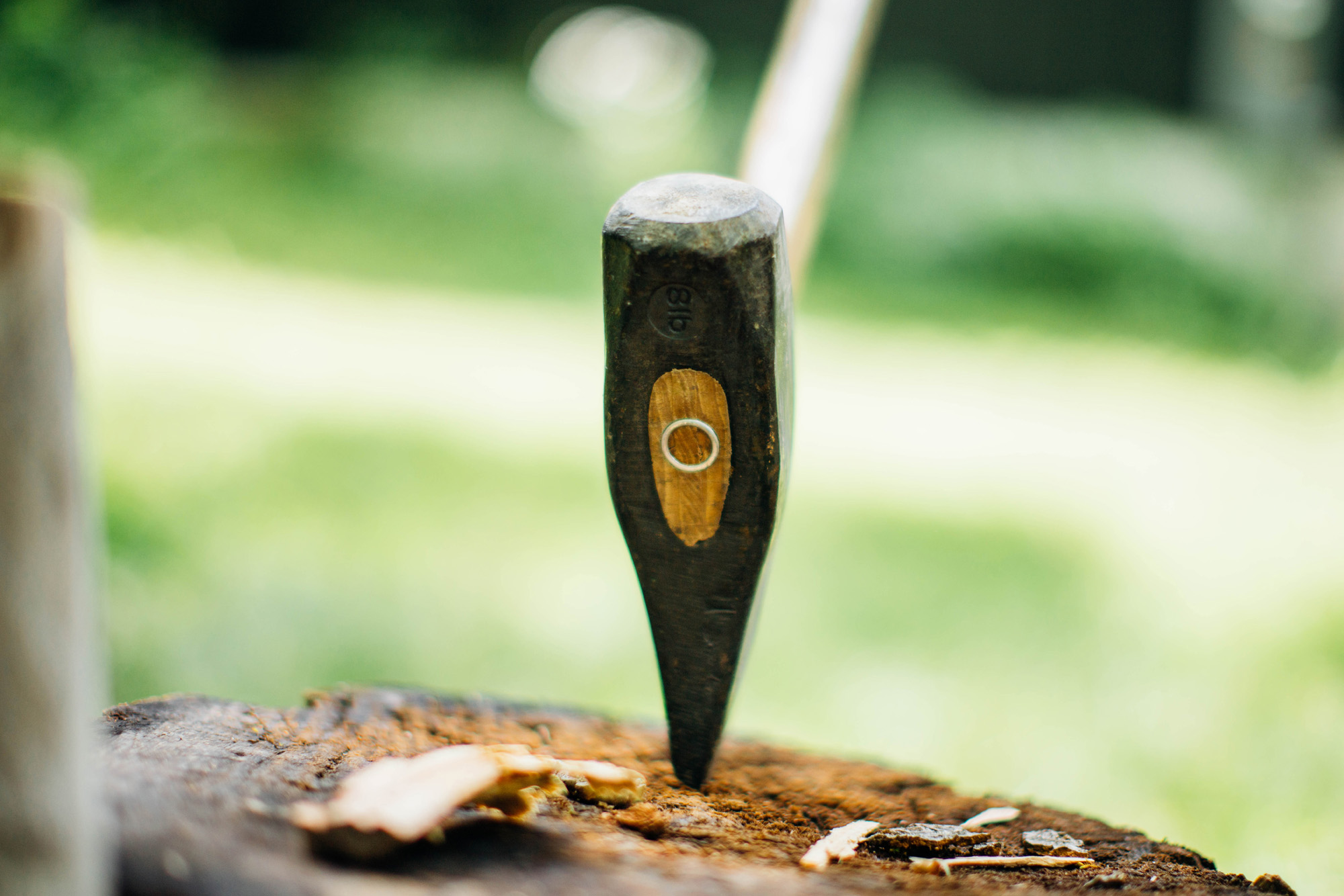
Detail
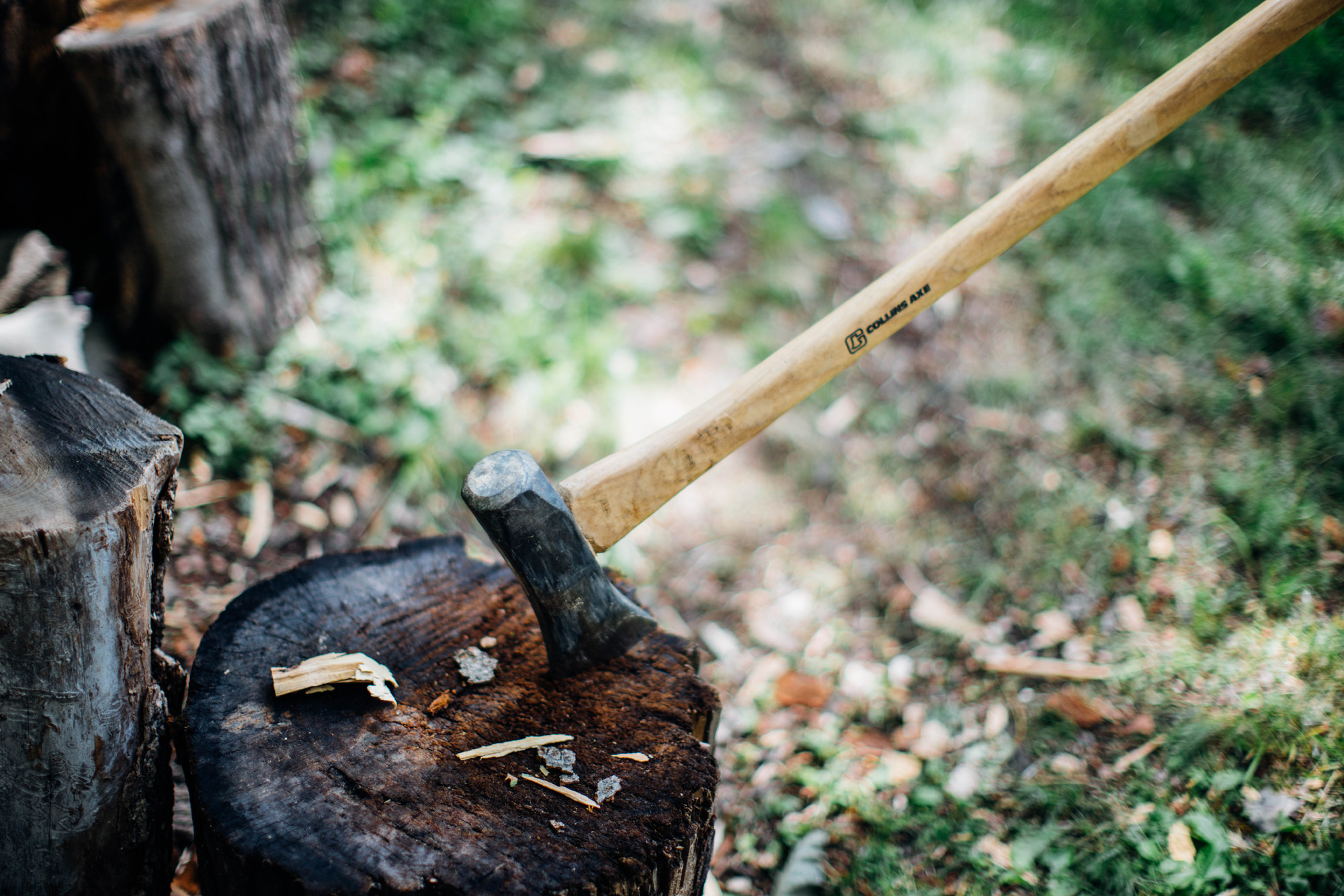
Just Look at ‘Er!
Advertisements aside, I would still recommend the book to anyone who does any of their own wood harvesting. It is a very quick read, the graphic design is great, and honestly, there is some insightful information in there.